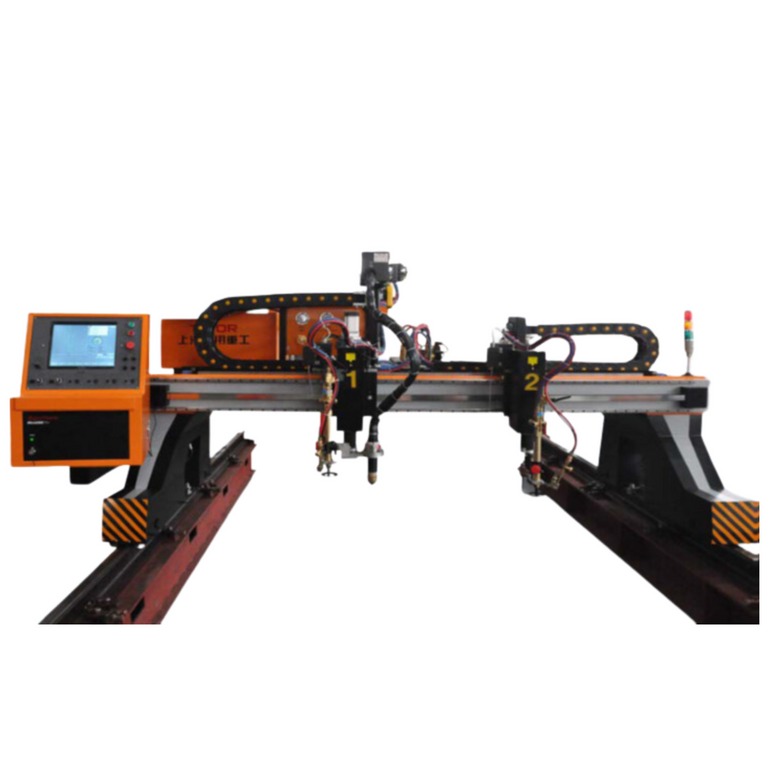
Precision manufacturing shifted gears when rotating axes joined the process. Standard equipment creates simple shapes by moving along three paths. Adding two extra angles allows cutting from different sides without manual repositioning. This clever approach simplifies difficult tasks while keeping errors low. Efficiency gains define the role of CNC machines in UAE.
Complex parts simplified:
Standard tools struggle with intricate designs. Five axes allow the cutting head to tilt and rotate as needed. Parts stay fixed in one spot while the tool reaches awkward corners. This capability lets creators design parts with deep holes or curvy surfaces without extra setup steps.
Faster production cycles:
Manual work creates bottlenecks. Moving a part from machine to machine wastes time. Five-axis technology handles entire operations in a single cycle. Productivity climbs since parts move from raw material to finished product without idle time. Fast output keeps schedules tight and avoids wasted hours.
Superior finish quality:
Surface smoothness matters in tight-fitting parts. Multi-axis movement keeps the cutter contact point steady. This steady engagement avoids chatter marks or rough patches on the metal. Every curve receives smooth treatment, resulting in clean edges and precise dimensions without heavy polishing later.
Reduced waste creation:
Material costs add up quickly. Mistakes cost money and trash good metal. Five-axis setups reduce human handling errors since the machine does the hard work automatically. Lower error rates mean scrap bins stay empty. Saving raw material helps keep bottom lines healthy during production runs.
Improved tool life:
Tools break when pushed incorrectly. Five axes allow the cutter to approach surfaces at ideal angles. Constant pressure keeps tool edges sharp for longer periods. This longevity lowers replacement costs and reduces machine downtime for tool changes. Longer usage cycles help shops maintain a steady pace daily.
Versatility in design:
Engineers dream of bold new shapes. This technology removes limits found in traditional milling. Complex angles become standard tasks. Products like aerospace components or medical implants demand this high precision. Pushing boundaries remains easy when the machine handles difficult geometry with ease.
Manufacturers gain a clear lead by adopting these systems. Accuracy defines the output, and speed defines the flow. Choosing this path removes barriers to creation. High-tech shops rely on this agility to stay ahead. Modern production requires tools that handle every angle with ease. Investing here pays off through consistent parts and reliable schedules.