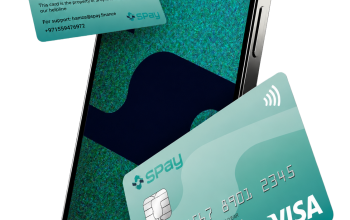
A thin piece of plastic sitting in your wallet turns into a liability the moment it slips out at a checkout counter or gets left behind on a restaurant table. Digital wallets remove that risk entirely by keeping your payment method locked inside a device you already watch closely all day. This exact shift explains why more spenders are moving toward a crypto card Google Pay setup instead of pulling out a physical card at every purchase.
Phone payments make checkout simple
Google Pay keeps payment details inside a smartphone, so users can pay at supported terminals without pulling out a physical card. A quick tap completes the transaction, making small purchases faster and easier. For someone who makes several purchases during the day, this setup saves time. The phone stays close at hand, while the physical card can remain safely stored at home or inside a wallet.
Less dependence on a physical wallet
A slim wallet appeals to people who prefer fewer items in their pockets or bags. Google Pay supports this preference by moving payment access onto a smartphone. Users still keep their physical crypto card as a backup, but daily spending can happen from the phone. This reduces the number of times the physical card leaves its secure storage.
Security adds another advantage
Google Pay uses device security features to help protect payment activity. Depending on the device and setup, users may confirm payments with a fingerprint, face scan, screen lock, or another security method. This adds a useful layer during checkout. A lost physical card can immediately raise concerns, while a secured smartphone adds an extra barrier before payment access.
Useful for daily purchases
Coffee shops, grocery stores, restaurants, transport services, and other supported merchants can accept contactless payments. A user simply unlocks the phone when required and taps it against the payment terminal. This makes digital payment especially convenient for routine spending. There is no search for a card inside a wallet, and there is less handling at the checkout counter.
Physical cards still have a purpose
Digital payments do not make physical cards useless. Some merchants may not support Google Pay, while certain situations may call for a traditional card. Keeping the physical card available provides a backup option. Users also gain flexibility by choosing the payment method that suits the purchase and merchant.