The construction industry is a complex and dynamic one, with projects ranging from small residential homes to large commercial buildings. At its core, the construction process can be broken down into several distinct stages that make up what is known as the Construction Life Cycle.
Concept and feasibility:
This is the very first step where an idea gets tested. Someone has a vision for a new building or a home. The team checks if that vision is practical. They look at the land, zoning laws, and budget limits. Simple cost estimates are made to see if the project makes financial sense. This stage answers the basic question: can this be done?
If the answer is yes, the project moves forward. If not, it gets changed or dropped. Good feasibility work saves time later, and the best developers in Dubai treat this step as their foundation for every successful project.
Design and planning:
Once the idea is approved, the design work starts. Architects draw up plans that show what the building will look like. Engineers get involved to ensure the structure is safe. They calculate loads, wind resistance, and material strengths.
This is also when the project timeline gets created in detail. A clear plan shows every task from start to finish. Material lists are made so that ordering is easy. Good planning at this point stops confusion down the road.
Pre-construction and permitting:
Before any dirt moves, official papers must be secured. Building permits from local authorities are a must. These permits confirm that the design meets safety codes. Contractors are hired during this phase. Subcontractors for electrical, plumbing, and HVAC work get selected.
The site gets prepared with temporary fences and storage areas. A detailed schedule is shared with everyone involved. This phase sets the rules for the entire project. Skipping steps here causes big problems later.
Construction and execution:
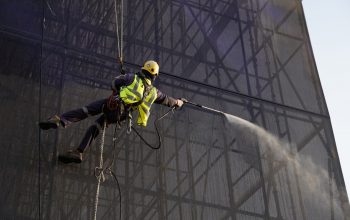
This is the active building phase where the project comes together. Excavators dig the foundation and concrete gets poured. Steel beams go up to form the skeleton of the structure. Workers install electrical wiring, pipes, and ductwork. Interior walls, flooring, and ceilings are completed. Exterior finishes like brick or siding get attached.
Constant site management keeps workers safe and tasks on schedule. Regular meetings address small issues before they grow. This phase sees the most visible progress and activity.