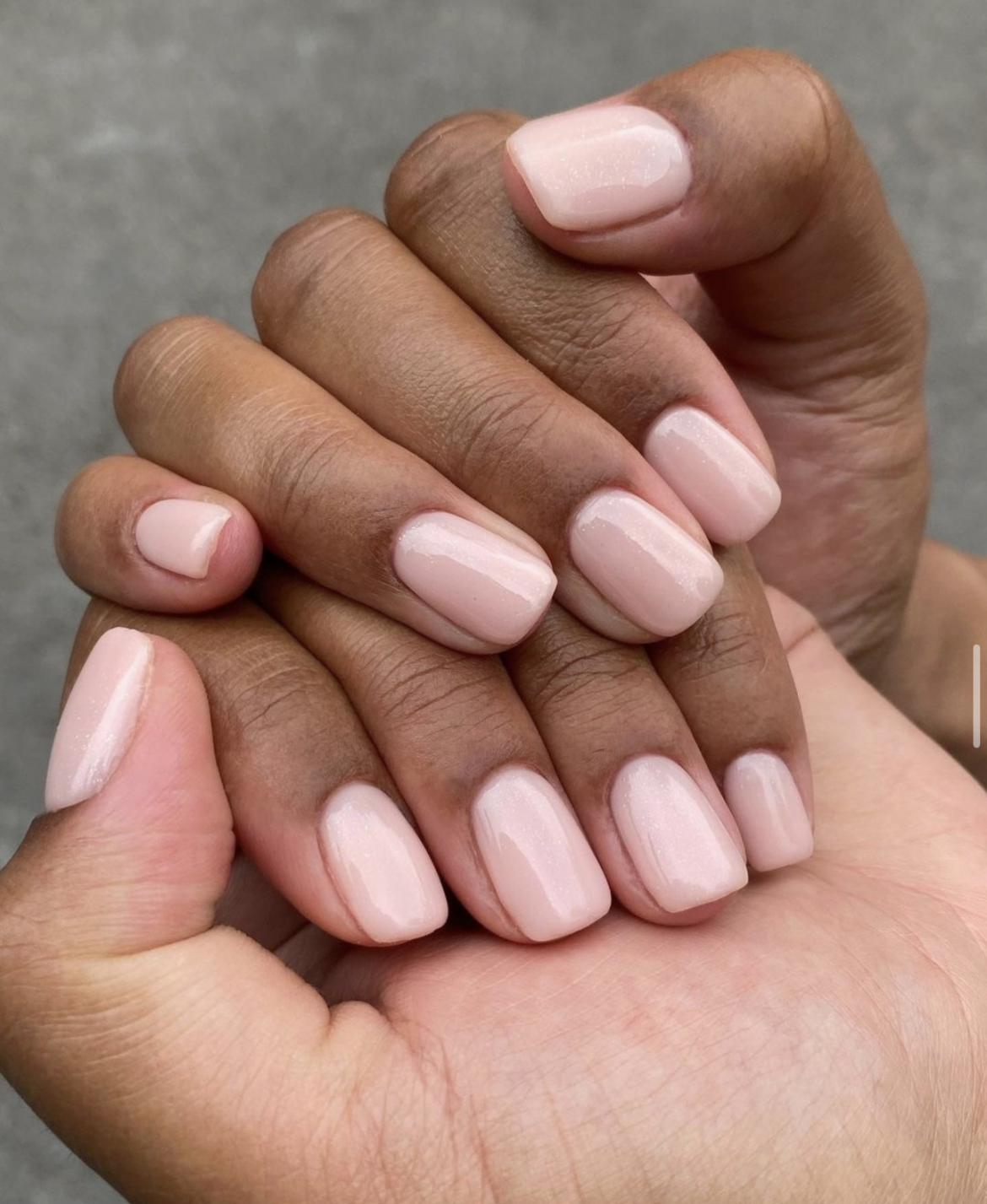
That fresh set of BIAB nails looks stunning for weeks, but removal day often brings a wave of anxiety. Ripping them off or using aggressive filing can leave natural nails thin, peeling, and fragile. Proper removal is an art that preserves nail health and strength.
With the right technique and a little patience, anyone can take off BIAB safely at home and keep nails looking their best afterward. This article outlines the correct steps for gentle, effective BIAB Abu Dhabi removal.
Prepare your workspace and tools:
Gather all necessary items before starting the removal process. Cotton balls, 100% pure acetone, aluminum foil, a glass or ceramic bowl, a wooden cuticle stick, a fine-grit buffer block, and a rich cuticle oil are essential. Work in a well-ventilated area and place a towel down to catch any spills.
File the top protective layer:
The shiny top coat of BIAB acts as a barrier against acetone. Gently file the surface of each nail with a buffer block to break this seal. Rough up the entire nail plate lightly, but avoid filing down into the natural nail. This allows the acetone to penetrate the BIAB layers faster and shortens the soaking time considerably.
Soak with the cotton and foil method:
Cut cotton balls into pieces that fit each nail plate. Saturate each piece with pure acetone and place it directly on the nail. Wrap each fingertip securely with a small square of aluminum foil to hold the cotton in place. The foil traps heat and helps the acetone work effectively. Leave the wraps on for about ten to fifteen minutes to let the product break down completely.
Gently push off the softened gel:
Remove one foil wrap at a time. The BIAB should look bubbly and lifted. Take a wooden cuticle stick and gently push the softened gel off the nail surface. Work from the cuticle area toward the tip using light pressure. If the product resists removal, it means it needs more soaking time. Never force or scrape the gel off, as this action can peel away thin layers of the natural nail plate.
Buff and smooth the natural nail:
After all BIAB is removed, the nails may feel rough or have some sticky residue. Use a fine-grit buffer block to gently smooth the surface. Buff in one direction only, using very light strokes. Focus on evening out the texture without over-buffing, which can thin the nails.